
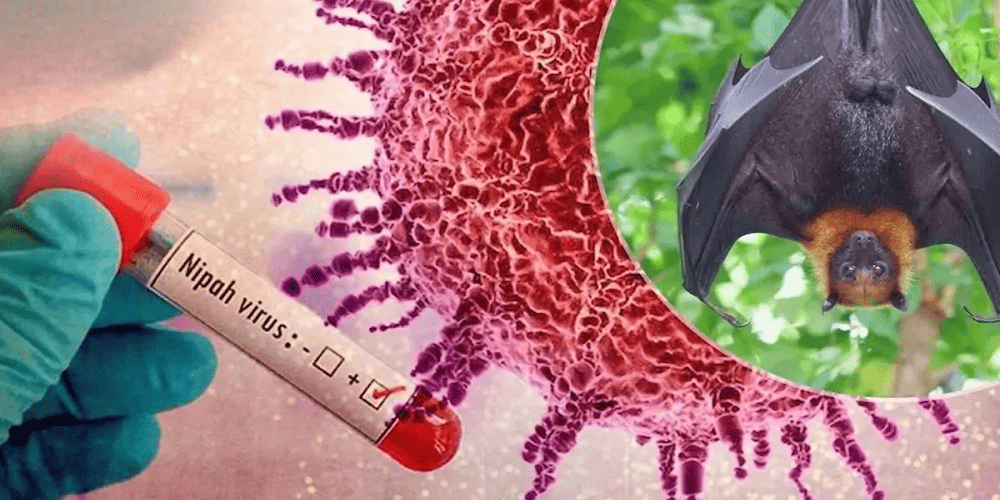
A deadly Nipah virus outbreak is one of the most serious public health concerns in parts of South and Southeast Asia. Though outbreaks are rare, they often carry a high fatality rate, making awareness and prevention extremely important. Understanding how the virus spreads, recognizing symptoms early, and taking preventive measures can help reduce the impact of a deadly Nipah virus outbreak on communities.
Nipah virus is a zoonotic virus, meaning it spreads from animals to humans. It can also spread from human to human under certain conditions. Each deadly Nipah virus outbreak raises global health alerts because of its potential to cause severe disease and death.
What Is Nipah Virus?
Nipah virus (NiV) is a highly infectious virus first identified in 1998 during an outbreak among pig farmers. Since then, several episodes of a deadly Nipah virus outbreak have been reported, mainly in Bangladesh, India, and Malaysia.
The natural hosts of the virus are fruit bats, also known as flying foxes. These bats carry the virus without getting sick. Problems begin when the virus spills over into humans, either directly from bats, through infected animals, or through contaminated food.
Because of its high mortality rate and lack of specific treatment, every deadly Nipah virus outbreak is treated as a major medical emergency.
Why Is a Deadly Nipah Virus Outbreak So Dangerous?
There are several reasons why a deadly Nipah virus outbreak is considered extremely dangerous:
- High death rate: Fatality rates have ranged from 40% to over 75% in some outbreaks.
- Severe brain infection: The virus can cause encephalitis, a dangerous inflammation of the brain.
- Rapid deterioration: Patients can worsen quickly within days.
- No specific cure: Treatment mainly focuses on supportive care.
These factors make early detection during a deadly Nipah virus outbreak critical to saving lives.
How Does Nipah Virus Spread?
Understanding transmission is key to controlling a deadly Nipah virus outbreak.
1. Animal to Human Transmission
Fruit bats can contaminate fruits or palm sap with saliva, urine, or droppings. When humans consume contaminated food, a deadly Nipah virus outbreak can begin.
2. Animal Hosts Like Pigs
In earlier outbreaks, pigs acted as intermediate hosts. Farmers who had close contact with infected pigs became ill, contributing to a deadly Nipah virus outbreak.
3. Human to Human Transmission
In some regions, especially Bangladesh and India, human-to-human spread has been confirmed. Close contact with infected patients, particularly through body fluids, can lead to a deadly Nipah virus outbreak in healthcare or family settings.
Symptoms of Nipah Virus Infection
Symptoms can appear between 4 and 14 days after exposure. In a deadly Nipah virus outbreak, early symptoms may look like common illnesses, which makes detection challenging.
Early Symptoms
- Fever
- Headache
- Muscle pain
- Sore throat
- Vomiting
Severe Symptoms
As the infection progresses during a deadly Nipah virus outbreak, patients may develop:
- Dizziness and confusion
- Drowsiness
- Seizures
- Altered consciousness
- Coma
Severe cases often involve encephalitis, which can lead to permanent neurological damage or death.
How a Deadly Nipah Virus Outbreak Is Diagnosed
Diagnosing infection during a deadly Nipah virus outbreak requires laboratory testing. Doctors may use:
- RT-PCR tests to detect viral genetic material
- Antibody tests to identify immune response
- Cerebrospinal fluid analysis in cases of brain infection
Early diagnosis helps isolate patients quickly and limit the spread of a deadly Nipah virus outbreak.
Treatment Options
Currently, there is no specific antiviral drug proven to cure Nipah virus infection. During a deadly Nipah virus outbreak, treatment focuses on supportive care, including:
- Maintaining breathing with ventilators if needed
- Managing fever and pain
- Treating seizures
- Preventing dehydration
Intensive care support improves survival chances during a deadly Nipah virus outbreak, but outcomes still depend on how early treatment begins.
Long-Term Effects in Survivors
Some survivors of a deadly Nipah virus outbreak experience long-term complications, including:
- Persistent seizures
- Personality changes
- Memory problems
- Weakness and fatigue
In rare cases, symptoms may reappear months or years later in the form of delayed encephalitis.
Prevention Strategies
Preventing a deadly Nipah virus outbreak relies heavily on public awareness and behavior changes.
Avoid Contaminated Food
- Do not eat fruits partially eaten by bats
- Wash fruits thoroughly
- Avoid drinking raw date palm sap
Reduce Animal Contact
- Avoid contact with sick animals
- Use protective gear when handling livestock
Infection Control in Hospitals
During a deadly Nipah virus outbreak, healthcare workers must:
- Wear protective equipment
- Follow strict hygiene protocols
- Isolate infected patients
Community Awareness
Educating communities about the risks and symptoms of a deadly Nipah virus outbreak can help people seek medical care early and reduce spread.
Role of Governments and Health Agencies
When a deadly Nipah virus outbreak occurs, rapid response from authorities is essential. Measures often include:
- Contact tracing
- Isolation of suspected cases
- Travel advisories
- Public health announcements
Strong surveillance systems help detect a deadly Nipah virus outbreak early and prevent it from spreading widely.
Why Outbreaks Happen Repeatedly
A deadly Nipah virus outbreak tends to occur in areas where humans and wildlife interact closely. Deforestation, urban expansion, and farming near bat habitats increase the chances of virus spillover.
Climate and seasonal patterns may also influence when a deadly Nipah virus outbreak happens, particularly in regions where date palm sap is harvested.
Global Health Concerns
Although most outbreaks have been localized, experts worry that a deadly Nipah virus outbreak could spread more widely if not contained quickly. The virus is on the World Health Organization’s priority list for research because of its epidemic potential.
International cooperation, data sharing, and vaccine research are all important steps in preparing for the next deadly Nipah virus outbreak.
Vaccine and Research Developments
Scientists are working on vaccines and antiviral treatments to combat a deadly Nipah virus outbreak. Several experimental vaccines are in development, but none are widely available yet.
Research also focuses on understanding how the virus jumps from animals to humans, which could help prevent future deadly Nipah virus outbreaks.
Public Awareness Saves Lives
One of the strongest defenses against a deadly Nipah virus outbreak is knowledge. People who understand how the virus spreads are more likely to take precautions. Early reporting of symptoms can also prevent large clusters of infection.
Simple actions like washing fruits, avoiding raw sap, and seeking medical help for sudden fever with confusion can make a big difference during a deadly Nipah virus outbreak.
FAQs About Deadly Nipah Virus Outbreak
1. What causes a deadly Nipah virus outbreak?
A deadly Nipah virus outbreak usually begins when the virus spreads from fruit bats to humans, either directly or through contaminated food or animals.
2. How deadly is Nipah virus?
Fatality rates during a deadly Nipah virus outbreak can range from 40% to 75%, depending on the healthcare response and how early cases are treated.
3. Can Nipah virus spread from person to person?
Yes, close contact with an infected person’s body fluids can spread the virus during a deadly Nipah virus outbreak.
4. Is there a cure for Nipah virus infection?
There is no specific cure yet. Treatment during a deadly Nipah virus outbreak focuses on supportive medical care.
5. What are the first signs of infection?
Early symptoms in a deadly Nipah virus outbreak include fever, headache, muscle pain, and vomiting.
6. How can people protect themselves?
Avoiding contaminated fruits, not drinking raw date palm sap, and maintaining hygiene can reduce risk during a deadly Nipah virus outbreak.
7. Are children at risk?
Yes, people of all ages can be affected during a deadly Nipah virus outbreak if exposed to the virus.
8. Where do most outbreaks occur?
Most deadly Nipah virus outbreaks have occurred in South and Southeast Asia, particularly in Bangladesh and India.
9. Can survivors fully recover?
Some survivors recover completely, but others may have long-term neurological problems after a deadly Nipah virus outbreak.
10. Why is Nipah virus a global concern?
Because of its high death rate and potential to spread, any deadly Nipah virus outbreak is closely monitored by global health authorities.
Final Thoughts
A deadly Nipah virus outbreak is a serious public health threat that requires vigilance, rapid response, and strong community awareness. While outbreaks are not frequent, their impact can be devastating. Preventive habits, early symptom recognition, and effective healthcare measures are key to reducing the toll of a deadly Nipah virus outbreak.
Staying informed and following health guidelines can help protect individuals, families, and communities from the dangers of a deadly Nipah virus outbreak.
Leave A Comment
0 Comment